Warehouse 30: why creative places matter
- Jeantine Naafs
- Mar 5, 2022
- 3 min read
Updated: Jun 20

Whenever I visit a new city, I can't resist checking out places like this.
Creative hubs, coworking spaces, concept stores and other places where creative people tend to gather.
I always leave feeling inspired.
Perhaps it stems from my background in social geography and my long-standing fascination with creative cities. I've always been interested in how certain places become magnets for creativity, entrepreneurship and innovation and how they can transform entire neighbourhoods in the process.
Warehouse 30 in Bangkok is one of those places.
Located along the Chao Phraya River, Warehouse 30 is part of a broader effort to revitalise Bangkok's historic waterfront. What was once an industrial warehouse has been transformed into a vibrant ecosystem of shops, studios, exhibitions, events and workspaces.
But what makes it interesting isn't just the architecture. It's what happens there.
More Than a Collection of Shops
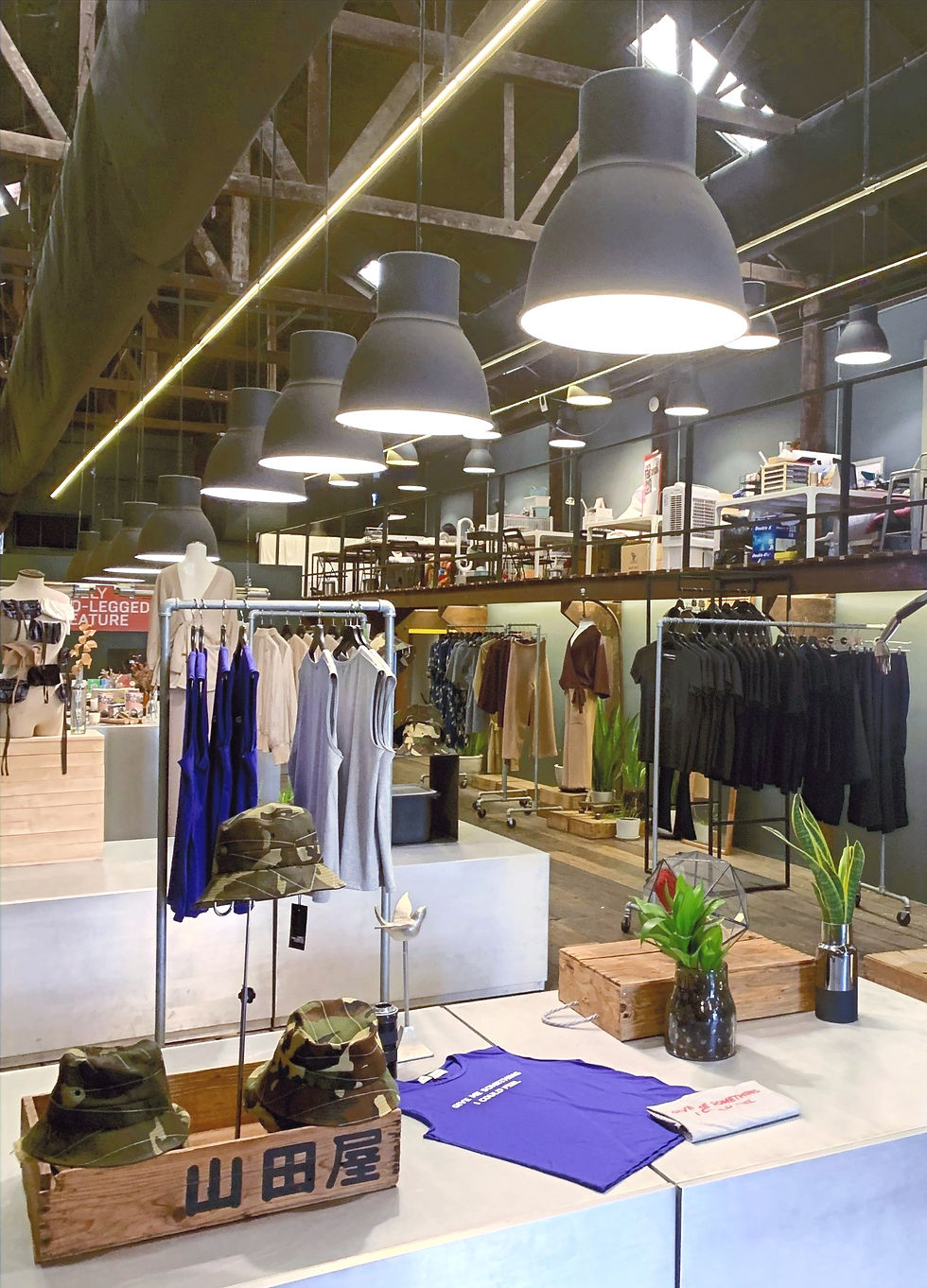
At first glance, Warehouse 30 may look like a collection of independent stores and cafés. In reality, it's something more.
It's a place where entrepreneurs, designers, artists and conscious brands can connect with customers, test ideas and build communities.
The space creates opportunities for collaboration, visibility and experimentation.
And that's exactly what many creative entrepreneurs need. Not just a place to sell products. But a place to belong.
The Power of Creative Ecosystems
Places like Warehouse 30 remind me that innovation rarely happens in isolation.
It happens when people with different skills, perspectives and ideas encounter one another.
A designer meets a maker.
A founder meets a potential collaborator.
A visitor discovers a brand they would never have found online.
These seemingly small interactions often create opportunities that can't easily be planned.
Creative hubs make those encounters possible. In that sense, they function as small entrepreneurial ecosystems. Not because someone designed every interaction.
But because they create the conditions for new ideas, partnerships and communities to emerge.
Three Brands That Inspired Me
One of the things I enjoyed most about Warehouse 30 was discovering brands that combine design, entrepreneurship and sustainability.
The Remaker
The Remaker creates handcrafted leather jackets and sneakers using upcycled materials.
By repurposing second-hand leather, they reduce textile waste while creating new economic opportunities.
What I particularly liked was that their business model combines craftsmanship, sustainability and social impact.
Para
One quote immediately caught my attention:
"I didn't design a product, but a life cycle."
Para creates products made from natural rubber, one of Thailand's most important export products.
At a time when falling demand has created challenges for local producers, the brand explores new ways of using rubber within design and everyday products.
It's a great example of how innovation often starts by looking differently at existing resources.
Anyroom
Anyroom's products stood out because of their elegant simplicity.
One of their signature pieces is a stool made from over-mature mango trees that can no longer produce fruit.
Rather than seeing these trees as waste, they become part of a new product lifecycle.
A simple but powerful example of circular design.
What Creative Places Can Teach Us
What I love about places like Warehouse 30 is that they remind us that creativity doesn't emerge from nowhere.
It needs space.
It needs community.
It needs visibility.
And it needs opportunities for people to meet, collaborate and experiment.
Whether it's a creative hub in Bangkok, a startup campus in Amsterdam, a makerspace in Berlin or a coworking community in Lisbon, these places play an important role in supporting creativity, entrepreneurship and innovation. They're places where ideas, businesses and communities are born.
Looking back, what impressed me most wasn't the architecture, the cafés or the shops.
It was the ecosystem. Years later, Warehouse 30 is still active, still evolving and still bringing together creatives, makers and entrepreneurs. That may be the clearest sign that places like these create value beyond the individual businesses they house.
And that's exactly why I keep seeking them out whenever I travel.

Comments